

Built to Be Good Neighbors
Data centers enable everyday life and Compass believes they should strengthen local progress, too. At Compass, we ensure every project strengthens the community it serves. From creating jobs to protecting natural resources, we partner with our neighbors to deliver shared, lasting benefits.
Learn About Our Projects
Cleaning Up Our Digital Footprint, One Delete at a Time
57% of Americans are holding onto more data than they need and paying for it. At Compass Datacenters, being a good neighbor means more than building efficient facilities. It means taking responsibility for what runs inside them, too. Join our Delete Digital Dust Bunnies® initiative and help us build a more responsible digital ecosystem, one delete at a time.
Find out what your digital dust bunnies are actually costing you.
How We Partner with Communities
Our approach to development is rooted in our commitment to making lives better. We are guided by our core convictions which make us show up with humility, integrity, curiosity and seeking to do better through engagement with our community partners.

We design our data centers to protect natural resources and reduce environmental impacts; from prioritizing open space and using waterless cooling to reducing waste at our offices and construction sites.

We proactively reduce noise, traffic and other disruptions during construction and operations. With more than 75% of our buildings prefabricated offsite, we significantly reduce onsite congestion and road wear. During operations, we comply with, and often exceed, local noise ordinances to protect the surrounding community.
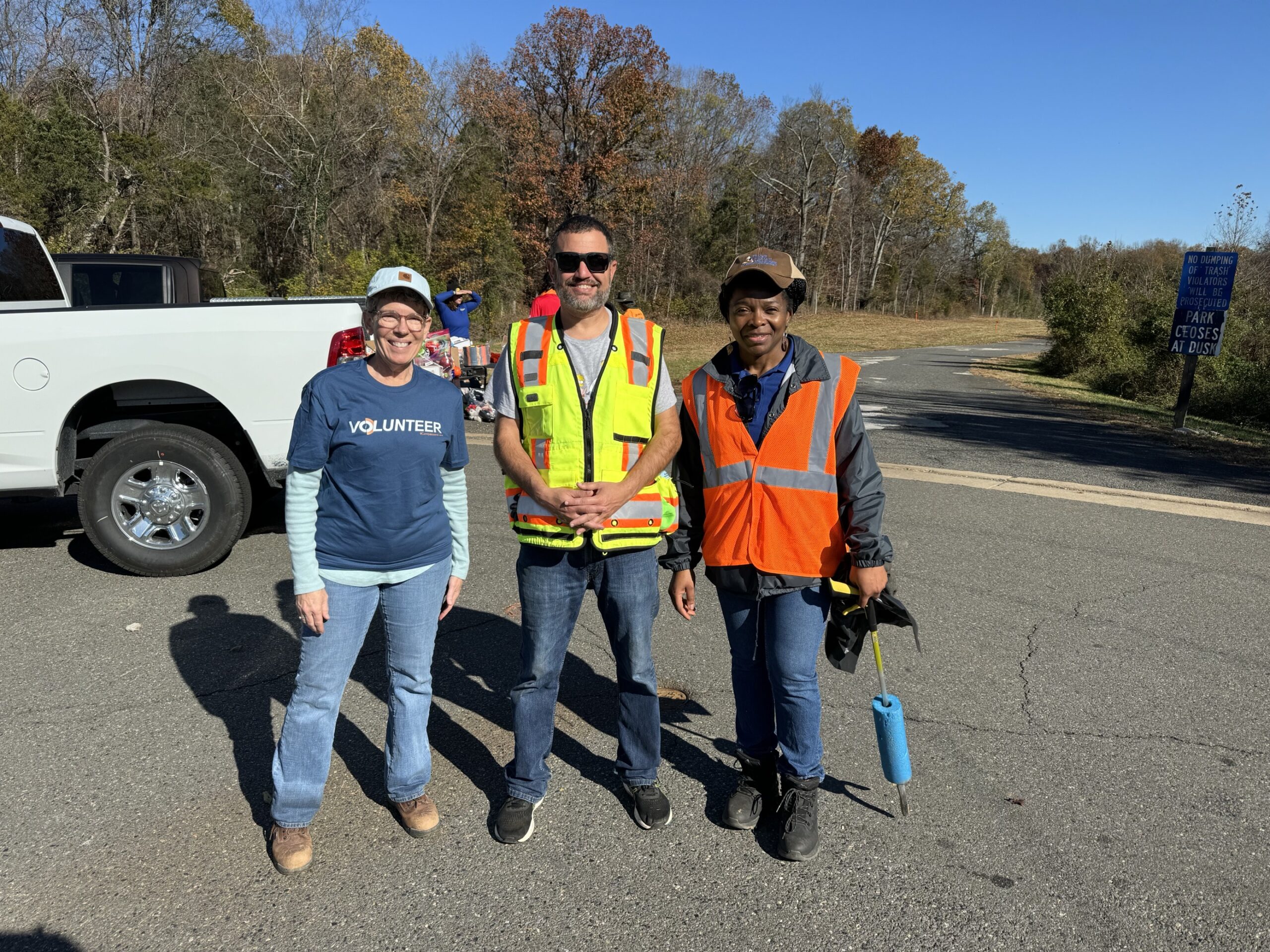
We partner with local organizations to strengthen infrastructure, expand educational opportunities and support community programs. Community giving at Compass is anchored in three priority areas: pathways to prosperity, safety and security, and sustainability.

We partner with educational organization and industry leaders to build strong, future-ready workforces. Through partnerships with local institutions — like Texas State Technical College — we help expand access to hands-on training, mentorship and career pathways that prepare workers for in-demand roles across the data center ecosystem.
Community Impact Stories
We’re not just building data centers — we’re building long-lasting relationships. Here are some of the ways Compass has made a difference in the places we call home.

To protect Goose Creek, we established a 200-foot conservation buffer, improved stormwater treatment, and supported watershed protection with a $60,000 donation to the Goose Creek Association, an organization we continue to support. After neighbors raised concerns about sound levels, we partnered with experts to reduce low-frequency sound by 20% and eliminate tonal noise.
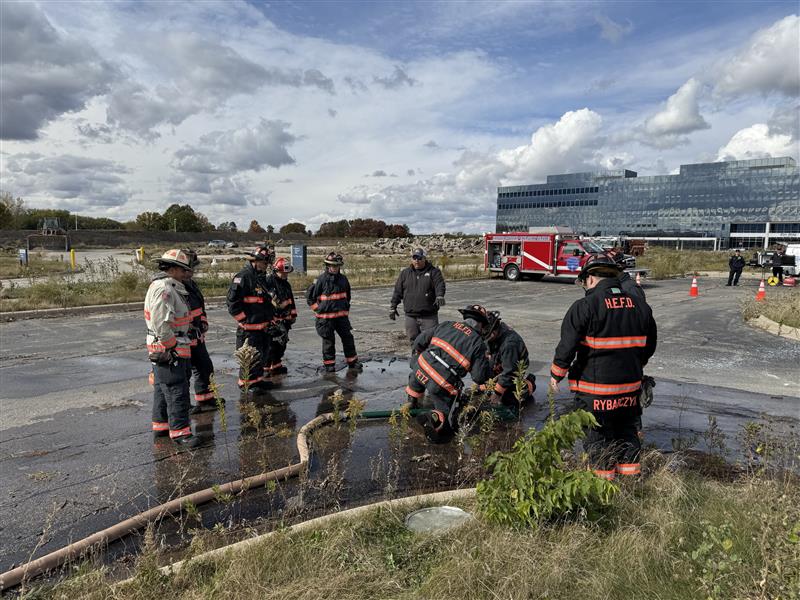
We transformed the former Sears HQ into a next-generation data center campus, prioritizing sustainability by reusing building materials, donating furniture and office equipment and salvaging metals For several months, while planning the project, the campus was available to first responders from throughout the region for unique training opportunities, like: active shooter, tall ladder, electric car fires and more.

Recognizing the need for a skilled workforce, we partnered with Texas State Technical College to create the Data Center Pathway Program and provide scholarships. We’ve also invested in local infrastructure, including roads, substations and high-voltage transmission lines to support long-term growth.

We enhanced Goodyear’s infrastructure with projects like the Bullard Wash, landscaping along Bullard Avenue and upgrades to transmission and substations for the local network. We also support the Goodyear Police Department by hosting specialized training exercises and partner with local charities to deliver thousands of toys to children in need each year.

In Noviglio, we’ve supported community events like the White Night of Sport, invested in public spaces like a new park with bike paths, and enhanced local safety with roundabouts and security cameras. We also partnered with schools to host coding workshops and creative sessions.
Frequently Asked Questions
Explore some of most common questions asked by communities about data centers and Compass.
What are data centers?
- A data center is a secure facility that houses computer systems, servers and network equipment used to store, process and distribute digital information.
- These facilities power essential online services we use daily – from banking and business apps to streaming, shopping, social media and AI tools that make lives better.
What are the economic benefits of data centers?
- These developments create thousands of construction jobs over the life of the project and hundreds of permanent high-wage jobs.
- It’s not just the jobs inside the walls of the data center: PwC’s 2025 report shows each data center role supports more than six others across the American economy.
- Significant new commercial tax revenue will help fund schools, roads, and public safety.
- By expanding the business tax base, the project would help reduce future pressure on residential property taxes.
Will data centers increase my electricity bill?
There is a common misconception that data centers raise electricity rates, but large electricity users can actually help stabilize, or even lower, rates over time.
Several utilities and regulators have noted this effect:
- A PG&E regulatory filing estimates adding 1 gigawatt (GW) of new load could reduce electric bills by about 1% or more.
- Entergy announced that agreements with data center customers are projected to deliver approximately $5 billion in savings for 2.3 million customers across Arkansas, Louisiana and Mississippi.
- Utilities including American Electric Power, Indiana Michigan Power and Georgia Power have also noted that large energy users can help spread grid costs across more demand and support long-term rate stability.
At Compass Datacenters, we work closely with our utility partners to ensure we pay our fair share for the power we use and the infrastructure required to serve our facilities. As CEO Chris Crosby noted in testimony before Congress, data centers are “paying more so that families and small businesses can pay less.”
For example, in North Texas, Compass invested nearly $20 million to secure right-of-way for transmission lines and $52.5 million in substation infrastructure, strengthening grid reliability for the community while avoiding costs being passed on to ratepayers.
Then why are electricity rates increasing in some places?
Electricity prices have risen in parts of the United States due to broader factors affecting the power system, not any single type of electricity customer. These include inflation-driven increases in the cost of labor, materials, and financing; natural gas price volatility; regulatory frameworks that spread the cost of grid investments across all ratepayers; and growing investments to modernize aging infrastructure and strengthen grid resilience. In some regions, new electricity demand can accelerate the need for these investments, but many of these trends began years before recent growth in data centers.
At Compass, we are committed to paying our share, including investing in the transmission and substation infrastructure required to support our facilities. When planned responsibly, data center projects can strengthen local infrastructure while supporting reliable and affordable electricity for the broader community.
How are water, energy and environmental systems responsibly managed?
- Compass does not use city water in order to cool our data centers. We use technology limiting water use to restrooms and break rooms.
- Storm Water management systems and other best-in-class measures are used to protect and improve the quality and quantity of water returned to aquifers.
- Greenspaces and setbacks are worked on closely with the local planners to find optimal solutions for building placement.
- Compass works closely and invests heavily with utility partners to avoid costs of supplying our campus being passed on to residents.
How are potential community disruptions minimized?
- Operations comply with all county noise standards.
- Truck traffic is routed to minimize neighborhood disruption.
- More than 75% of construction components are pre-manufactured offsite reducing the time to build.
- On-site concrete batch plants are used, when able, to reduce cement truck traffic, emissions and wear-and-tear on local roads
How does Compass turn underutilized industrial land into lasting community value?
- Compass Datacenters delivers high-value, low impact developments. Our prototype is designed to bring long-term value, not only to our customers, but to the communities we’re in.
- By transforming industrial land into vital digital infrastructure, we provide long-lasting economic benefits to these communities. Our campuses are built to last and not only create thousands of construction jobs over the life of the project but hundreds of permanent high-wage jobs once the site is operational.